Queering Creativity in Mental Health Copywriting

In a world of AI and cookie-cutter approaches to everything from fashion to relationships to sales to decor, I take a different stance. I think a lot about the implications of living in a society where capitalism, convenience, and breakneck speed are prioritized at all costs.
Nearly everything is designed to capture our attention or make us angry.
Marketing is often aggressive, doled out in heaping portions straight into the maw of people’s deepest wounds and fears.
These approaches are deeply unsettling to me. Almost none of them take a person’s comprehensive humanity into account. Instead, they keep us isolated. They prevent us from drawing outside the lines. They manufacture insecurities in us and then sell security back to us through some product. And they often stymie our ability to think critically and move forward with authenticity.
Our Brains On One-Size-Fits-All Approaches
When I write, I’m always thinking about nuance and complexity. I ask a lot of questions. I’m constantly wondering how to subvert the frustrating narratives that accompany not only our culture at large, but also the one-dimensional world of pop psychology and TikTok-era “influencer therapists.” Just as ChatGPT and other information generators recycle the same information in a loop and tell us what we want to hear (all while blurring the line between trusted human confidante and robot), so too do generalized and oversimplified approaches to healing.
These frameworks are hailed as personalized and tailorable, but they regurgitate one-size-fits-all solutions. And as you well know as a therapist, one-size-fits-all solutions don’t work when it comes to living an aligned life. A person’s ability to be true to themselves – to create the kind of life they want to live – is hindered when they’re trapped in the systems that keep them stuck and small and afraid.
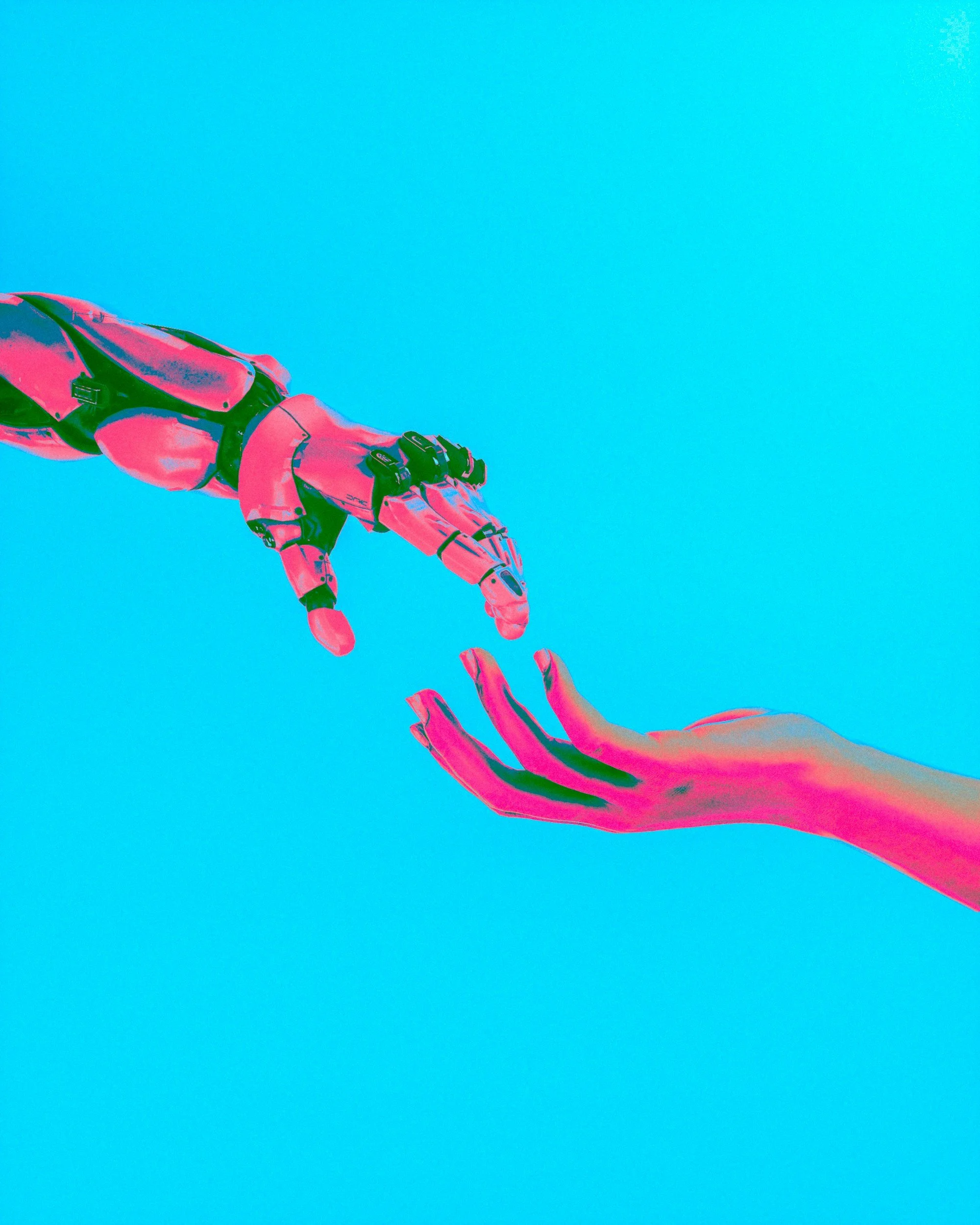
What happens when we outsource our every creative thought and question and idea to Chat GPT, algorithms, and online quizzes? Do we lose some of our humanity in the process? Do we lose some of our ability to decide for ourselves what matters?
In the same vein, what happens when our ability to align with our values is stunted by the pace of society, by one terrible headline after the other, by the lifestyles prescribed to us by outside influences, by overwhelm caused by living in a system that does everything possible to prevent us from slowing down enough to connect with ourselves or each other?
Does the price we pay for these pervasive hyper-individualistic and 5-easy-steps-to-fix-whatever-ails-you approaches include our authenticity?
Queering Creativity
Recently, I found myself obsessed with the idea of “queering creativity.” (If this is already a concept out in the world, I don’t know about it. However, I draw on similar frameworks already laid out gorgeously by authors like Robin Wall Kimmerer, Patricia Ononiwu Kaishian, and Ross Gay.)
I’m deeply curious about the biopsychosocial factors that support our ability to seek out our authentic selves and “truthiest truths,” as my beloved therapist says. As a queer person myself, I keep wondering:
What does queerness mean?
What does creativity mean?
How might reframing both help us move toward authenticity in our lives?
…And how does all of this relate to copywriting?
Queering a Life
My version of queerness is a much broader scope than a simple description of someone’s sexuality or identity. It’s about the ways in which we live our lives. Queerness comes down to a persistent feeling of being othered in some way. The concept of using “queering” as a verb is, to me, a nod to and celebration of choosing authenticity in spite of social constructs that tell us not to.
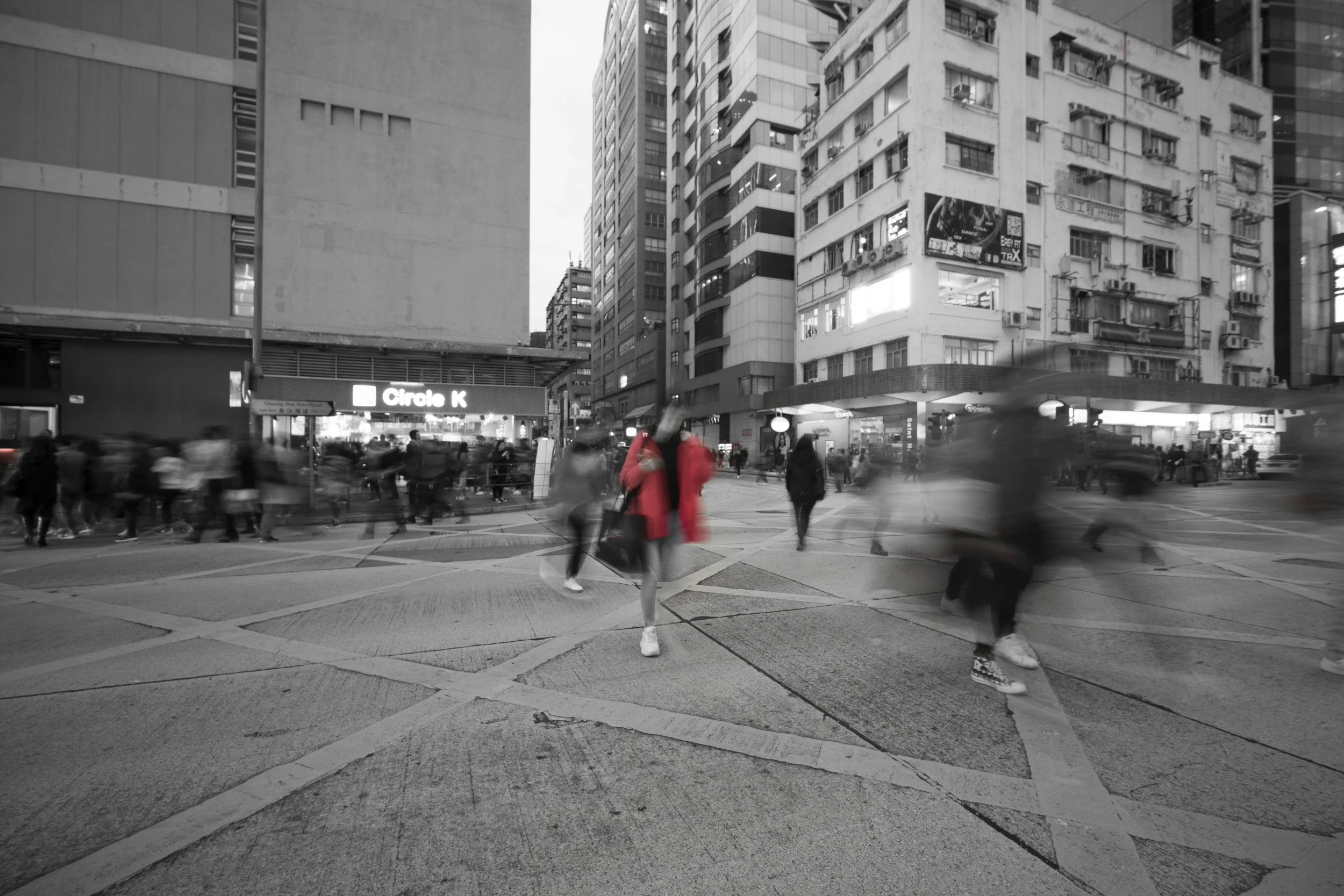
You don’t have to fall on the LGBTQ+ spectrum to understand or even embody this concept.
Queering a life can be about questioning traditional systemic approaches that are harmful or unhelpful, rejecting societal norms that don’t resonate with you, embracing dialectical thinking, seeking community that doesn’t fit the typical mold, finding belonging in the aftermath or midst of trauma and grief, tuning into your intuition, practicing courage at the risk of losing things you love, or seeking out unprecedented ways of relating to oneself and the world.
Creativity, similarly, relates to how someone shows up in the world. We often assume that creative people have to be artists or musicians or poets or sculptors. But I’d argue for a different definition: creativity isn’t just about making things with your hands, but a way of moving authentically through the world. Which means that people who live values-aligned lives are, by definition, creative.
How Queerness and Creativity Foster Authenticity
Queering creativity means approaching life with curiosity and authenticity, however that looks for you. It’s about asking yourself what kind of life matters most to you and then moving toward that life with bravery and alignment.
Think about your therapy clients. The ones you enjoy working with most are probably the ones who want to challenge internalized beliefs and question cultural narratives that were never theirs.
They want to feel more connected to themselves.
They want to understand different ways to be in relationship: with loved ones, communities, land, animals, plants, or whatever else matters to them.
They want to cultivate joy and pleasure and curiosity.
They want to reimagine healing in ways that match their own desires, passions, beliefs, and values.
They don’t want cookie-cutter approaches. They want to be authentic to themselves.
Authenticity, just like literal queerness, often comes at a steep price. The current political administration is continually stripping away queer rights, and queer people’s safety is under attack. LGBTQ+ youth endure much higher-than-average rates of bullying, stigma, discrimination, depression, anxiety, self-harm, and suicide. Living an aligned life can be dangerous, traumatizing, and deeply isolating. The work isn’t easy.
The reason I’m a mental health copywriter is that the healing power of good-fit therapy can be profound and life-altering. I’m drawn to therapists and their work because I believe meeting someone exactly where they are and working to understand them is an inherently queer way of relating to people. After all, aren’t you here to help people become their most authentic selves?
You don’t try to put your clients in a box or tell them who to be in the world or how to live their lives. Instead, you understand that everyone needs tailored approaches and you don’t assume everyone’s goals or challenges will be the same.
What Does Any of This Have to Do With Mental Health Copywriting?
Great question. To be honest, I’m not entirely sure. But what I can say about my work as a mental health copywriter is that it isn’t separate from my belief in (and constant exploration of) nuance and complexity in the world. That’s how I approach my writing. That’s how I approach the relationships I make with the therapists I work with. It’s how I approach all the relationships in my life. I don’t ever want to engage with my work in a way that doesn’t honor the humanity of everyone involved.
That’s why I wrote this blog. I don’t want to only follow the cookie-cutter marketing norms of writing articles with tips about SEO and About Me pages and Psychology Today profiles (although I write those too.)
Yes, I’m great at what I do. I like the puzzle of SEO and formatting and helping you find your voice. But I’m not just an SEO bot. I don’t particularly want to compartmentalize my work in a separate silo from my own values and humanity. I don’t want to consult ChatGPT as a plug-and-play service in my work or to analyze my every passing thought. I’m here to reimagine mental health outside of capitalism and consumerism and individualism and black-and-white thinking.
So I suppose that’s the tie-in, and it’s also my shameless plug. I don’t want to just write for you. I want to create for you. I want to live and participate in a world where creativity is queered. And if my work can help people on their path to becoming more authentic, whatever that looks like to them, then I’m doing my job.